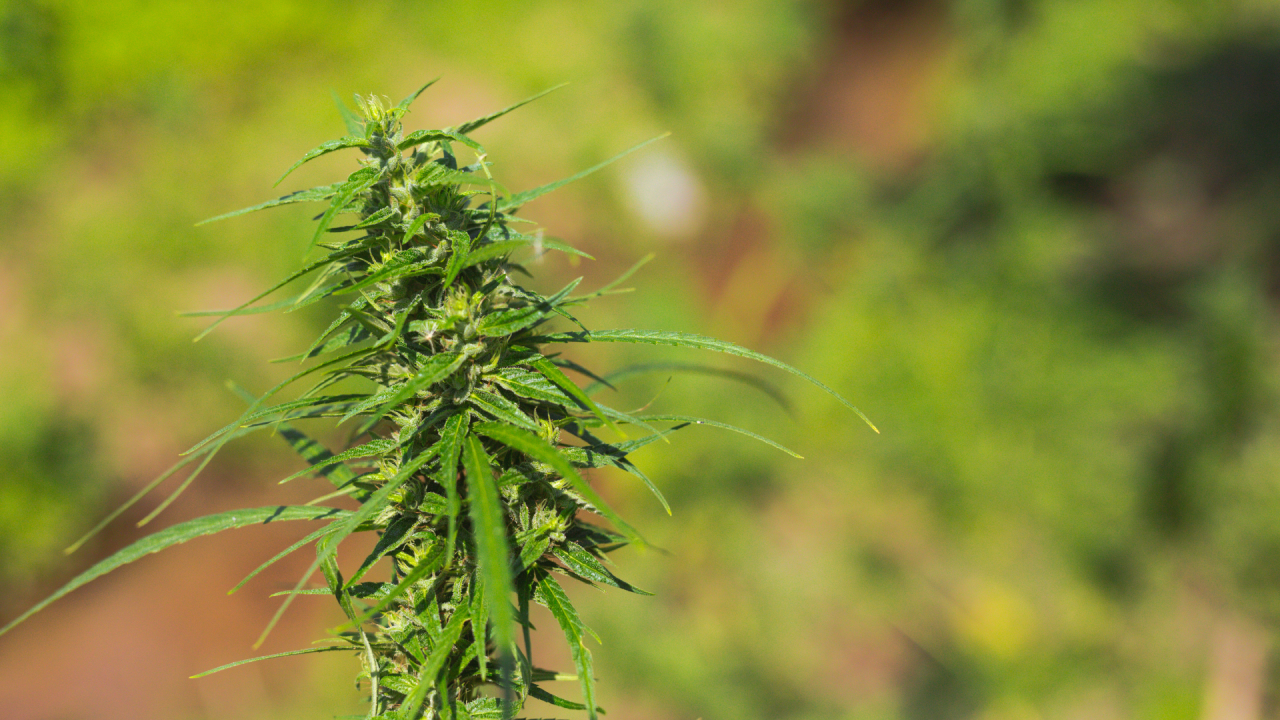
Cannabis Flower vs Concentrates: What Changes, and Who Each Suits
Flower is the plant. Concentrates are what you get when you strip the plant material away and keep the cannabinoids and terpenes.
That single difference explains almost everything else: the strength, the price, the equipment, the risk and the experience.
What counts as a concentrate
Broadly, three families:
- Solventless: hash, kief, rosin. Made with pressure, water or sieving rather than chemicals. Rosin is pressed with heat; hash is separated with ice water or dry sifting.
- Solvent-extracted: shatter, wax, budder, live resin, distillate. Made using solvents such as butane, propane, ethanol or CO₂, which are then purged. Legal products are tested for residual solvent; unregulated ones are not.
- Vape cartridges: almost always distillate or live resin in a cartridge with a heater, sometimes with added terpenes.
How they differ in practice
| Flower | Concentrates | |
|---|---|---|
| — | — | — |
| Typical THC | 15–30% | 50–90%+ |
| Equipment | Pipe, papers, vaporiser | Dab rig, e-nail, or a vape battery |
| Price | $8–$18/g | $20–$80/g |
| Tolerance | Builds slowly at moderate use | Builds fast |
| Margin for error | Wide — you can take one puff | Narrow — a single hit can be a large dose |
| Cleanest entry point | Yes | No |
The strength gap is the important line. A 0.1 g "dab" of 80% concentrate delivers roughly the THC of a 0.4 g joint of 20% flower in one inhalation, and it arrives within seconds. That is why concentrates are a poor first purchase and why people who use them daily tend to find flower stops working the way it used to.
Why people choose concentrates
- Flavour. Live resin and rosin capture terpenes that drying and curing lose. For a flavour-led consumer, a good rosin is more expressive than most flower.
- Efficiency. Less material, less smoke, less smell. For someone who does not want to smoke a joint, a vape cartridge is discreet and quick.
- Precision, in the right hands. A measured dab on an e-nail is a predictable dose — once you know your dose.
Why flower is still the better default
Flower is self-limiting. You can take one puff and stop, and the effect builds over several minutes rather than arriving at once. It is also cheaper to try, needs less equipment, and the quality signals — smell, trim, cure — are visible.
If you want to vape rather than smoke, dry-herb vaporisers give you the same gradual control with less combustion. That is a reasonable middle path and a common recommendation for people who find smoke harsh.
What to check on a concentrate label
- Total THC, and whether the number is per gram or per package.
- Residual solvents, for anything solvent-extracted. Legal markets test for this; ask to see the result.
- Terpenes: added or native? Distillate with reintroduced terpenes tastes of the terpenes, not the plant.
- Packaging date. Terpenes degrade, and a year-old cartridge is a flat one.
- Hardware. Cheap cartridges leak and clog; the battery matters as much as the oil.
If you are moving from flower to concentrates
Go slowly and deliberately:
- Start with hash or rosin rather than distillate — lower potency, more of the plant's character.
- Use a small, measured amount — a rice-grain, not a pea.
- Do not chase the strength. If flower stopped working, the answer is usually a tolerance break, not a stronger product.
- Keep a high-CBD product to hand if you overdo it; many people find it takes the edge off.
We cover the general dose conversation in how much cannabis to buy, and the quality signals in how to tell if cannabis is high quality.
Where they sit in the directory
The businesses listed on HempShop365 are dispensaries, retail shops and hemp brands, and their own sites are the best source for what they actually stock — we link to them from every listing rather than guessing at a menu. Start with dispensaries or CBD and hemp retail.
General information, not medical advice. Cannabis is for adults 21 and over where it is legal. Concentrates carry a materially higher risk of overconsumption than flower.